In this post we will show the endemic populations in Colombia, and factors affecting their variations
What is an endemic population?An endemic population are those populations that are restricted to a geographic location and cannopt be found in other places. If this populations are found in other places, so they stop being endemic.

Endemic populations can be on a river, country, city or even a house. The variations of places of endemic populations is great and all living things can be endemic

Also endemic populations are more vulnerable to get extincted because their genetic change to natural conditions is lower and because they used to be reduced in number of invididuals.

Endemic populations in Colombia:
Yellow-headed manakin:
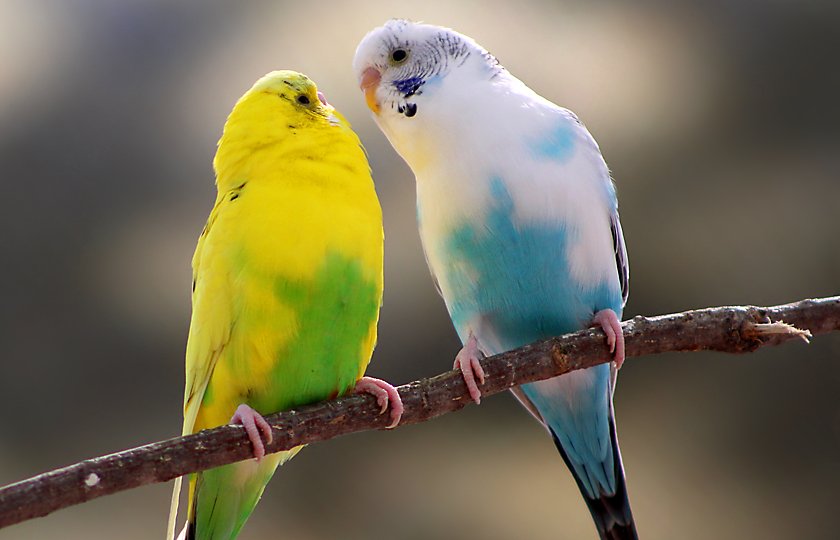
It is a bird that usually his length is 13cm. Its peek is palid and its eyes are orange or red. The male used to be yellow and its legs black, and the females are more opaque and its legs are pink. They dont use to be in groups.

Why is it endemic?
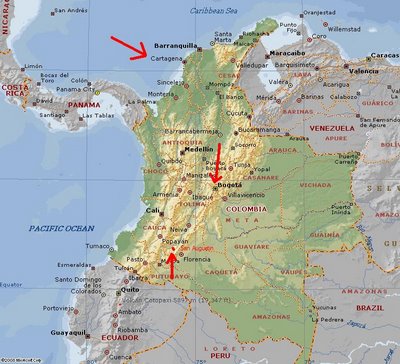
Because they can only be found in the Andes in Colombia and in Equator. Also they are species that usually use to not migrate, and the number of invididuals are decreasing.
Variations according in factors affecting it:
Food: This birds feeds with fruit trees and some insects.

Location: They live in forests and in mature secondary woodlands

Habitat loose: The places where this birds used to live are being reduced, this make the birds to also be reduced in space, and in the number of invididuals
Deforestation: The remove of forests has made the habitat of these birds to get reduced and also to reduced the fruit trees where this birds eat, reducing the insects too.

Other populations: There are also other populations that affect these birds eating the same fruit trees or even eating the birds
The same birds: If the environmental resources are low the carryig capacity of the habitat will get lower, making an intraspecific competition( where animals of the same specie compete between them to get the few resources) making the population to be reduced

Inmigration of other species: Inmigration of other species can get the birds to move necessarily to other places and the inmigrations can reduce easily some resources.

All of these factors give us the result that this population is vulnerable, according with the UICN. The current population trend is decreasing and if we dont do anything, the population will get extincted in a few years.
The conclution is that the human can be the most dangerous animal, making many populations to get extincted by deforestation, pollution, etc. But is not to late, we can help to stop pollution, go out and do the first step.

Here you can see our conceptual map about the topic to understand better:
Sources: https://cienciaybiologia.com/especies-endemicas/
http://www.inbio.ac.cr/es/biod/estrategia/Paginas/diversidad02.html
https://mx.answers.yahoo.com/question/index?qid=20100517161126AAAAuGi
http://gabriellopezr.blogspot.com.co/2009/06/factores-que-afectan-la-fauna.html
https://www.google.com/maps/d/viewer?mid=1b-If_Qm1rOnDswa2whQvDvdIZuk&hl=en_US&ll=4.132398858063554%2C-76.15978000000001&z=7
http://www.icesi.edu.co/wiki_aves_colombia/tiki-index.php?page=Saltar%C3%ADn+Dorado
https://es.wikipedia.org/wiki/Chloropipo_flavicapilla
http://www.iucnredlist.org/details/22701147/0
Juan Sebastian Olarte-Gabriel Rios 8-40


